MEGAN SHAGAM
HOME
LYFT · DRIVER AI ASSISTANT
Building AI support drivers could actually trust.
Lyft needed its AI assistant to do more than generate answers. It needed to help drivers resolve real problems quickly, consistently and safely—at enormous scale.
MY ROLE
Senior Content Designer · AI strategy
FOCUS
Conversational design · Systems
PARTNERS
Product · Design · Engineering · Operations
OUTCOME
More self-service · Less agent dependency
48%
reduction in live-agent support through clearer AI self-service.
01 · WHAT I SAW
The writing wasn’t the system. The system was the problem.
Drivers needed reliable answers in high-stakes moments. I reframed the work around what the experience had to know, communicate and do.
02 · WHAT I DECIDED
Design the answer architecture before the answers.
I created a model for identifying the need, resolving it clearly and recovering intelligently when self-service could not finish.
03 · WHAT I BUILT
A content system made for people and AI.
Reusable patterns, authoring principles and quality standards made the experience consistent across many driver needs.
THE EXPERIENCE
Automation handled what it could. High-stakes decisions stayed human.
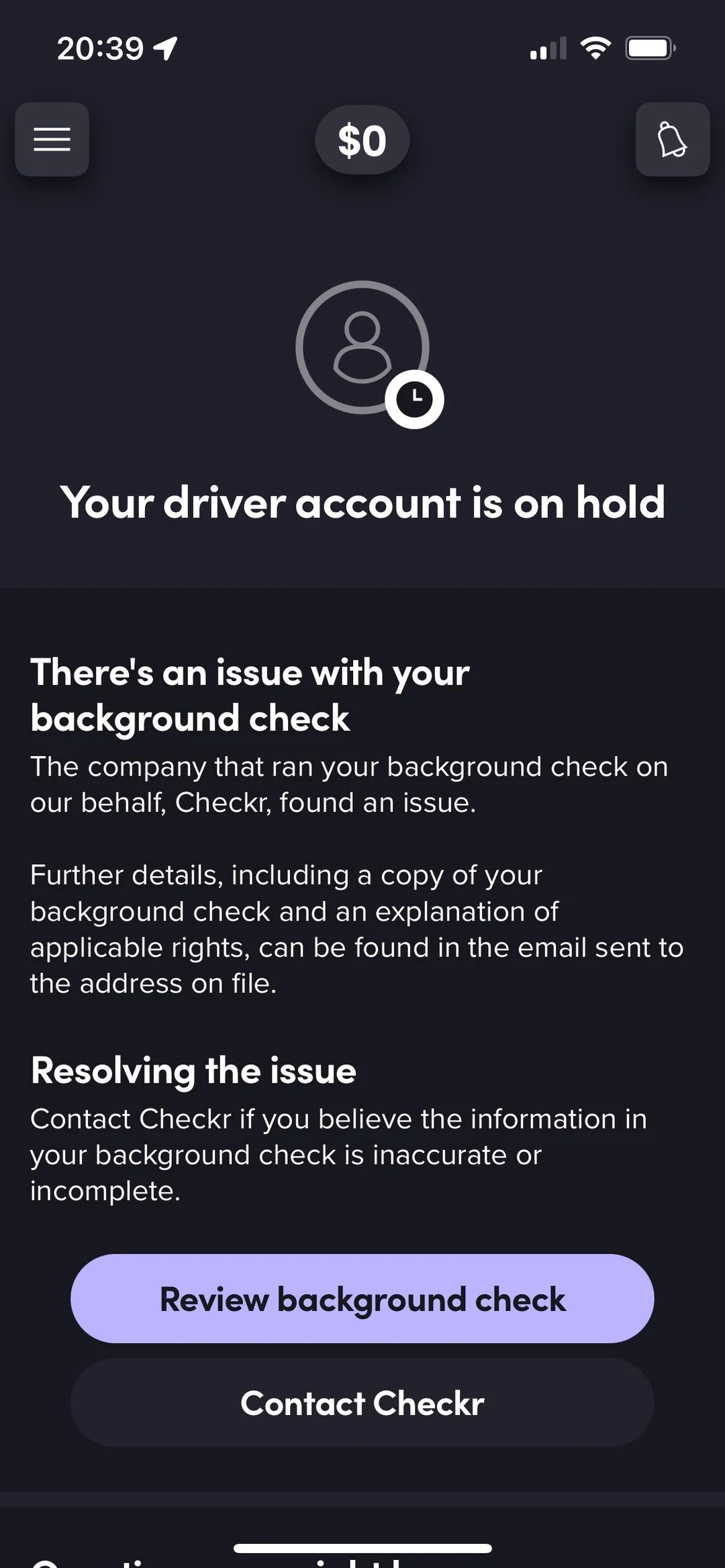
Common questions received structured guidance and clear resolution checks. Sensitive issues surfaced status and a direct path to human review.
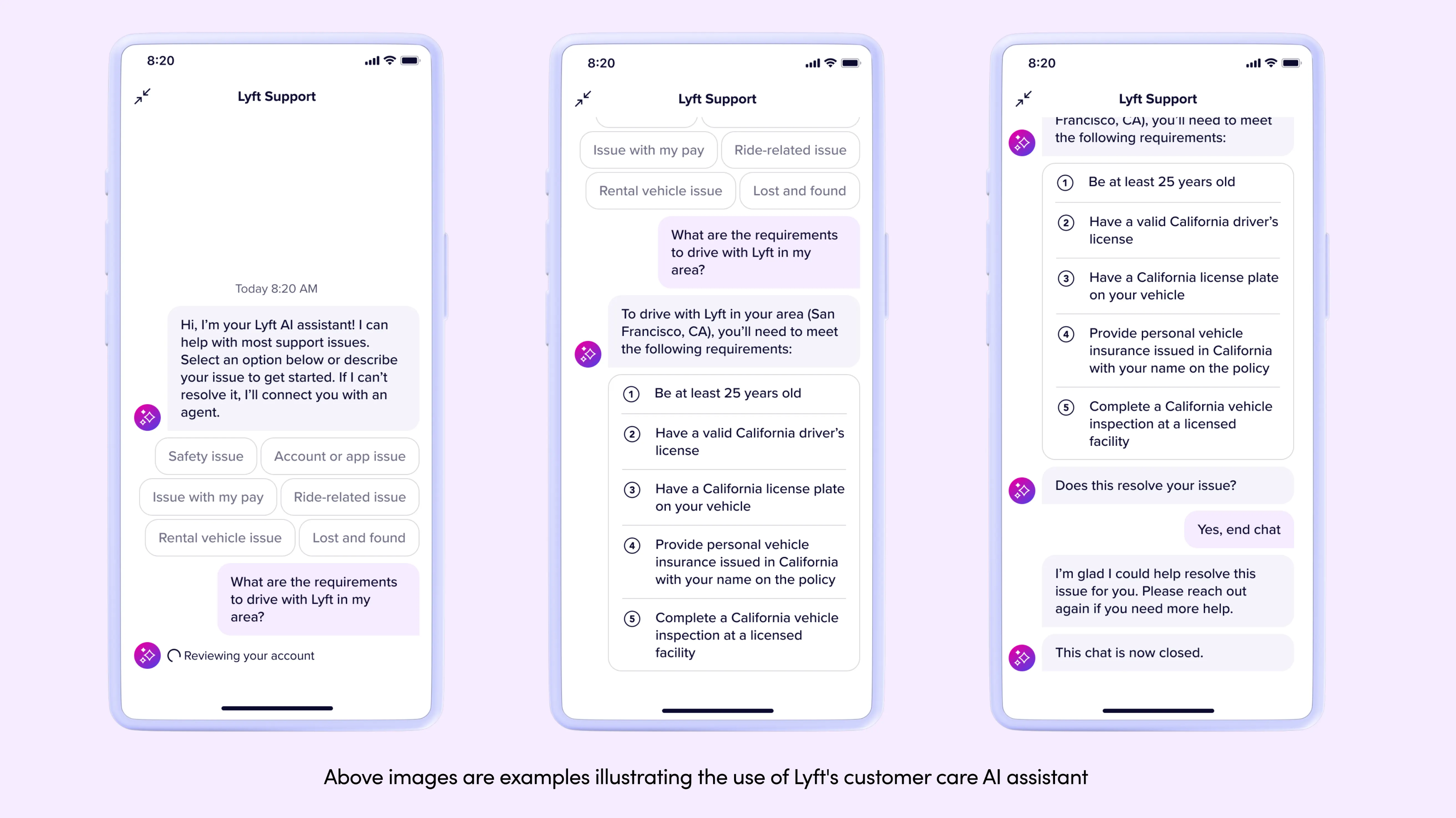
INTENT · ANSWER · RESOLUTION
A clear boundary between assistance and adjudication.
HIGH-STAKES ISSUE · HUMAN REVIEW
04 · WHAT CHANGED
Content became product infrastructure.
The system contributed to a 48% reduction in live-agent support and created a scalable AI-content foundation.
NEXT CASE STUDY
Designing membership that converts
→
MEGAN SHAGAM
HOME
LYFT · DRIVER AI ASSISTANT
Building AI support drivers could actually trust.
Lyft needed its AI assistant to do more than generate answers. It needed to help drivers resolve real problems quickly, consistently and safely—at enormous scale.
MY ROLE
Senior Content Designer · AI strategy
FOCUS
Conversational design · Systems
PARTNERS
Product · Design · Engineering · Operations
OUTCOME
More self-service · Less agent dependency
48%
reduction in live-agent support through clearer AI self-service.
01 · WHAT I SAW
The writing wasn’t the system. The system was the problem.
Drivers needed reliable answers in high-stakes moments. I reframed the work around what the experience had to know, communicate and do.
02 · WHAT I DECIDED
Design the answer architecture before the answers.
I created a model for identifying the need, resolving it clearly and recovering intelligently when self-service could not finish.
03 · WHAT I BUILT
A content system made for people and AI.
Reusable patterns, authoring principles and quality standards made the experience consistent across many driver needs.
THE EXPERIENCE
Automation handled what it could. High-stakes decisions stayed human.
Common questions received structured guidance and clear resolution checks. Sensitive account issues surfaced status and a direct path to specialist review.
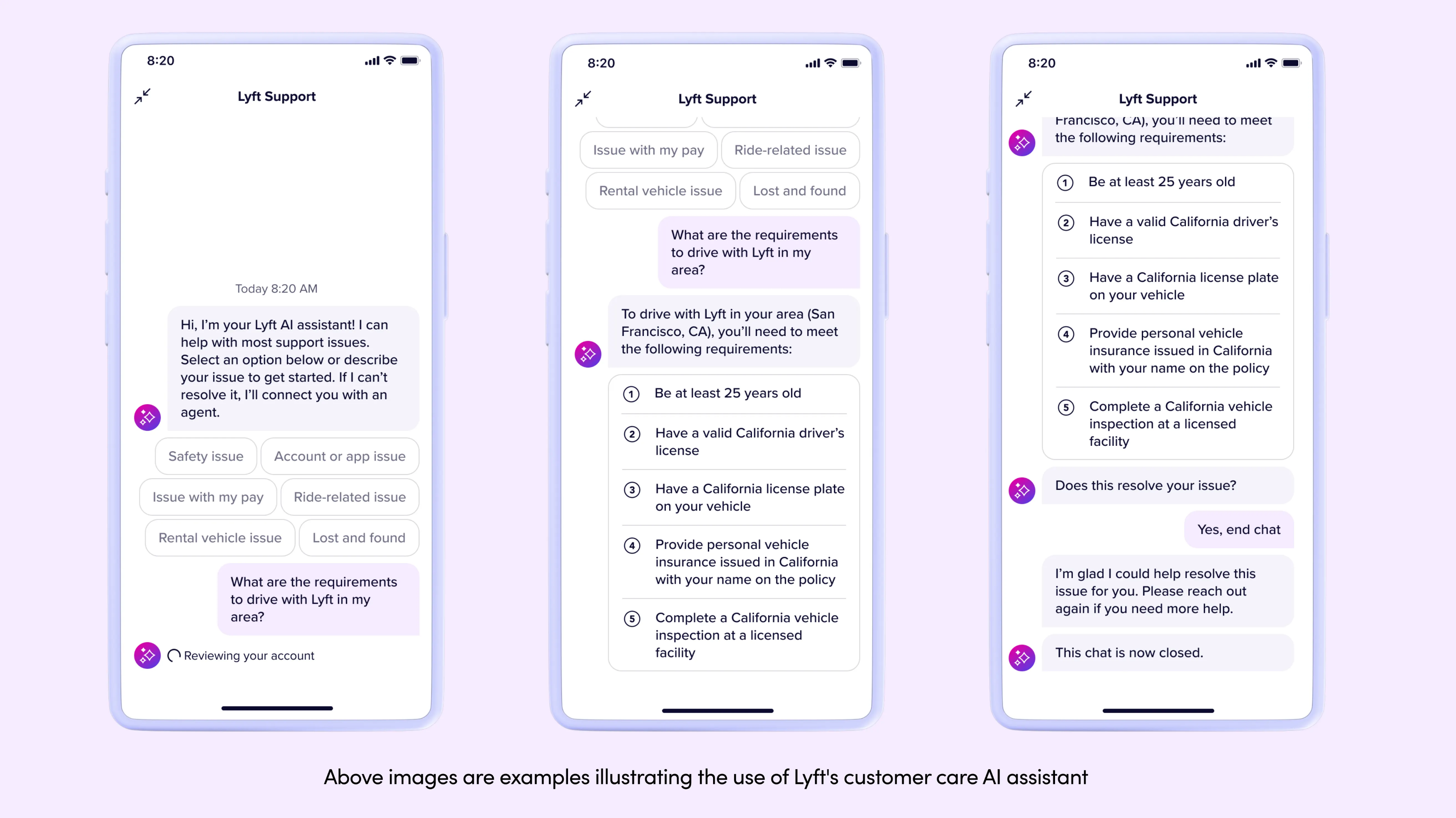
INTENT SELECTION · STRUCTURED ANSWER · RESOLUTION CHECK
HIGH-STAKES ISSUE · HUMAN REVIEW
HIGH-STAKES ISSUE · HUMAN REVIEW
A clear boundary
between assistance
and adjudication.
For sensitive account and safety issues, the system explained the current state, set expectations and provided a direct path to the team responsible for the decision. The AI supported the journey without pretending to own the judgment.
04 · WHAT CHANGED
Content became product infrastructure.
The system contributed to a 48% reduction in live-agent support and created a scalable AI-content foundation.
NEXT CASE STUDY
Designing membership that converts
→
LYFT · DRIVER AI ASSISTANT
Building AI support drivers could actually trust.
Lyft needed its AI assistant to do more than generate answers. It needed to help drivers resolve real problems quickly, consistently and safely—at enormous scale.
MY ROLE
Senior Content Designer
AI content strategy
FOCUS
Conversational design
Systems and governance
PARTNERS
Product · Design
Engineering · Operations
OUTCOME
More self-service
Less agent dependency
48%
reduction in live-agent support through clearer, more effective AI self-service.
01 · WHAT I SAW
The writing wasn’t the system. The system was the problem.
Drivers needed reliable answers in urgent, emotional and financially consequential moments. I reframed the challenge from “How should the bot say this?” to “What must the experience know, communicate and do for a driver to move forward?”
02 · WHAT I DECIDED
Design the answer architecture before the answers.
I established a repeatable model for how support content should identify the need, deliver the right level of information and create a clear next step: understand, resolve and recover.
03 · WHAT I BUILT
A content system made for people and AI.
I shaped reusable response patterns, authoring principles, quality standards and a cross-functional operating model so content could perform consistently across many driver needs—not as one-off conversations.
THE EXPERIENCE
Automation handled what it could. High-stakes decisions stayed human.
The assistant turned common support questions into structured, scannable guidance with clear resolution checks. When an issue carried safety or account consequences, the experience made status and expectations visible—and routed the driver to the specialist team.
INTENT SELECTION · STRUCTURED ANSWER · RESOLUTION CHECK
HIGH-STAKES ISSUE · HUMAN REVIEW
A clear boundary between assistance and adjudication.
For sensitive account and safety issues, the system explained the current state, set expectations and provided a direct path to the team responsible for the decision. The AI supported the journey without pretending to own the judgment.
04 · WHAT CHANGED
Content became product infrastructure.
The system helped the assistant resolve more needs without a live agent, contributing to a 48% reduction in live-agent support and creating a scalable foundation for authoring and evaluating future AI experiences.
NEXT CASE STUDY
Designing membership that converts
→